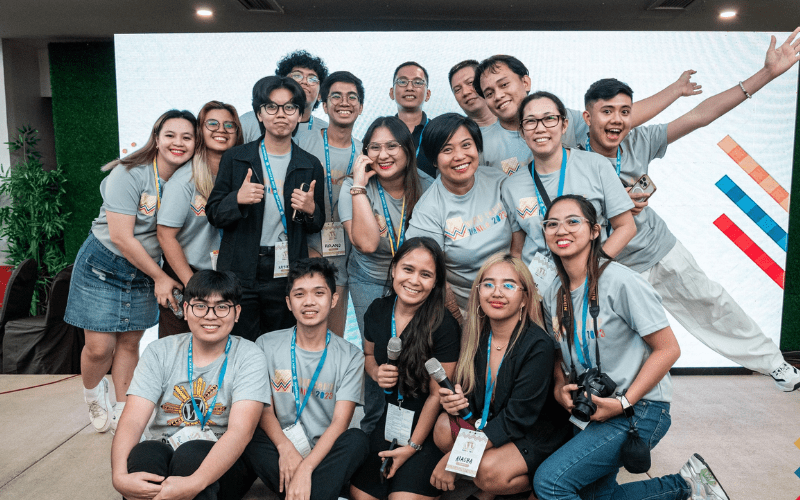
Not every weekend feels like this. Some are ordinary, quiet, gone before you know it. But this one – September 20 and 21, 2025 – will stay with me. It carried two faces of freedom: one inside a room full of laptops and laughter, and the other in streets heavy with memory and chants.
Saturday – Standing with the community
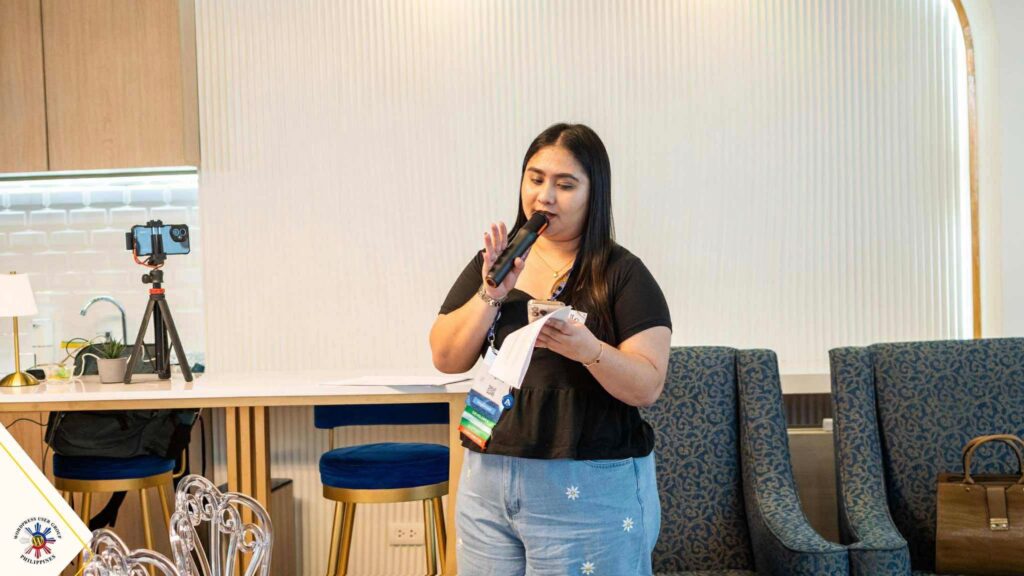
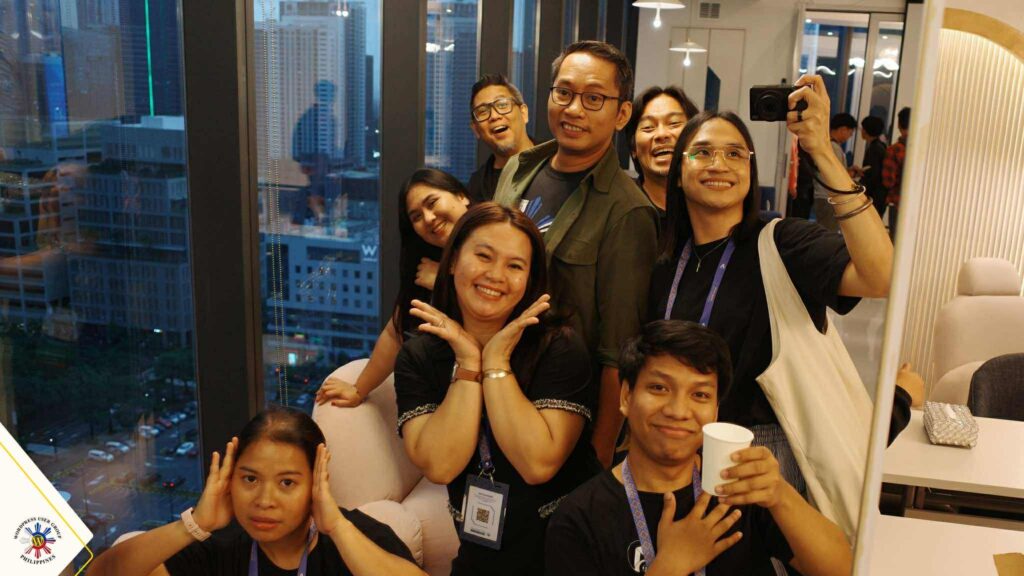
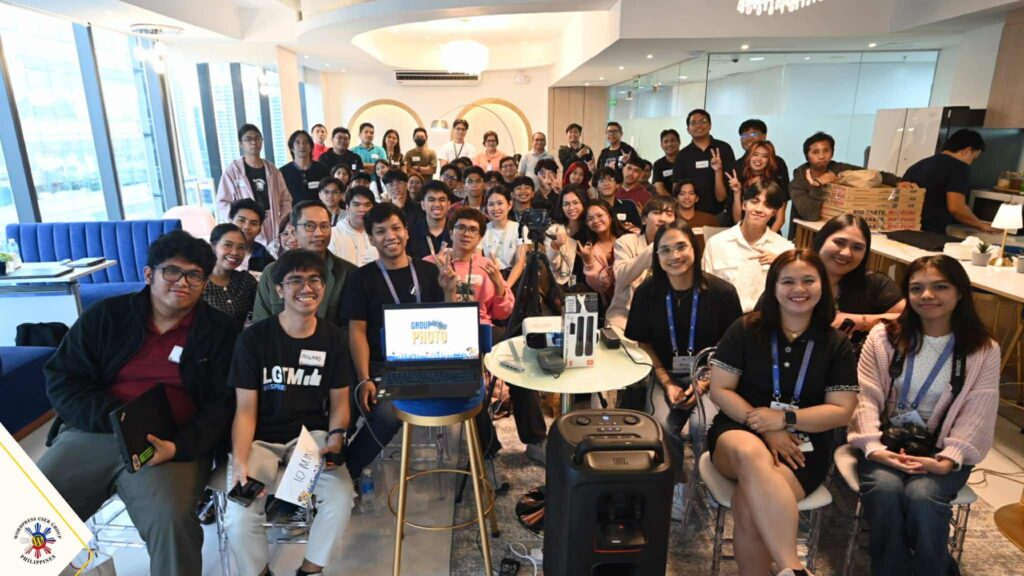
I didn’t plan to host Software Freedom Day. Life has a way of surprising you – and there I was, holding the mic, introducing speakers, feeling the energy of a community that has always been bigger than any single person. Kahit last minute, I was grateful. Because in that moment, I wasn’t carrying the room – the room was carrying me.
Jhim’s words cut through everything else: “software freedom is created for people.” Simple, but true. That was the heartbeat of the day.
I saw it in every talk. Robert “Bob” Reyes of Mozilla reminded us to keep the web open, not just for today but for the generations after us. Cyrus Mante of Accenture showed how open tools simplify work and bring back focus to what matters. Voj Jeturian of Pantheon Systems made a strong case for accessibility and simplicity – that software should serve everyone, not just those who can afford or understand it.
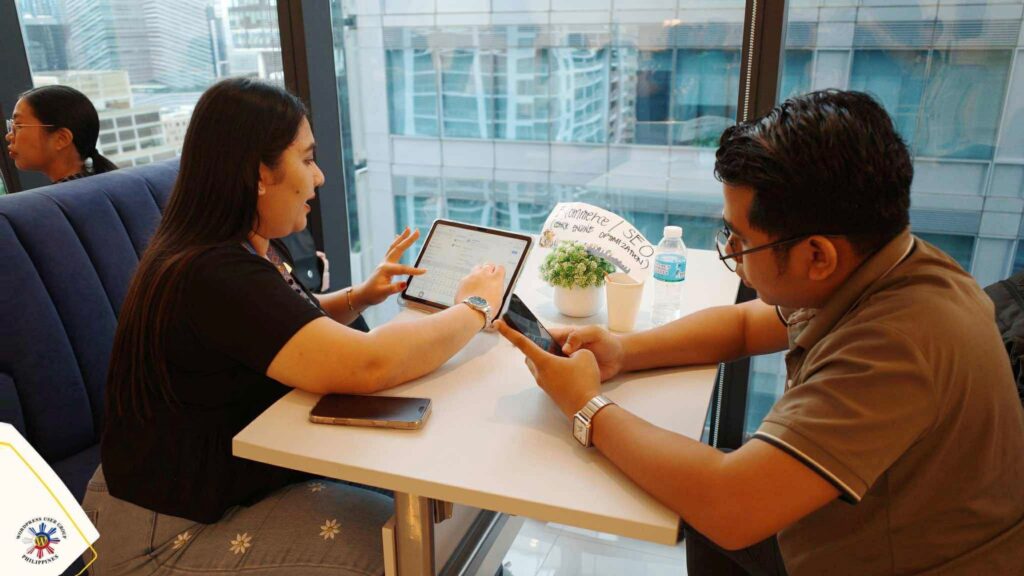
Beyond the stage, small tables buzzed with life – people learning how to revive old laptops, exploring Drupal’s structured content freedom, or simply asking questions at the Happiness Bar.
At the Happiness Bar, I found my own corner. I sat as an SEO expert, answering questions that on the surface were about rankings, keywords, visibility. But underneath, I heard something else: How do we make our work matter? How do we make sure what we build can be found, can be alive in the world? Those weren’t just technical questions. They were human ones. And that’s when it hit me – even visibility is a kind of freedom.
FOSS isn’t just a “better option.” It’s survival for many. It’s cost-saving, because not everyone has money for endless licenses. It’s control, because people deserve tools they can shape, not cages they’re forced to rent. It’s community, because software should be built in the open, by hands that care. It’s privacy, because we deserve to choose what we share. And it’s transparency, because what we can’t see, we can’t trust.
That day didn’t just teach me about open software. It reminded me that freedom in code is always about people.
Sunday – Watching from the sidelines
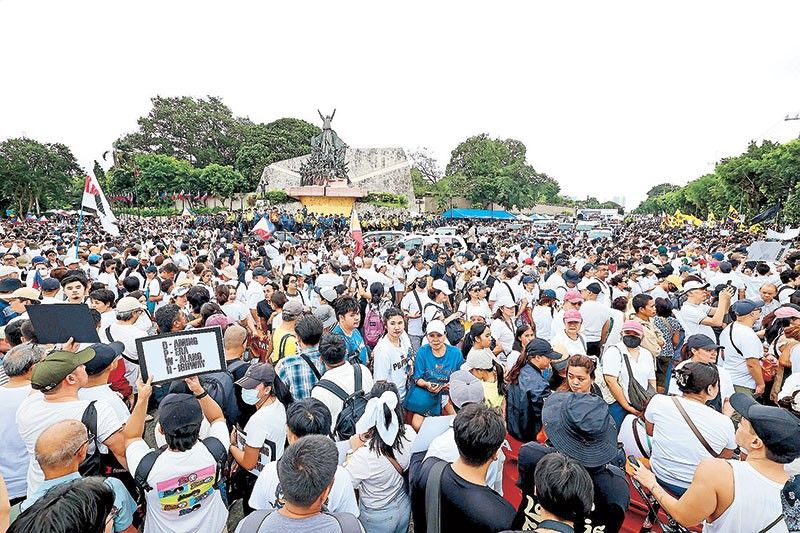
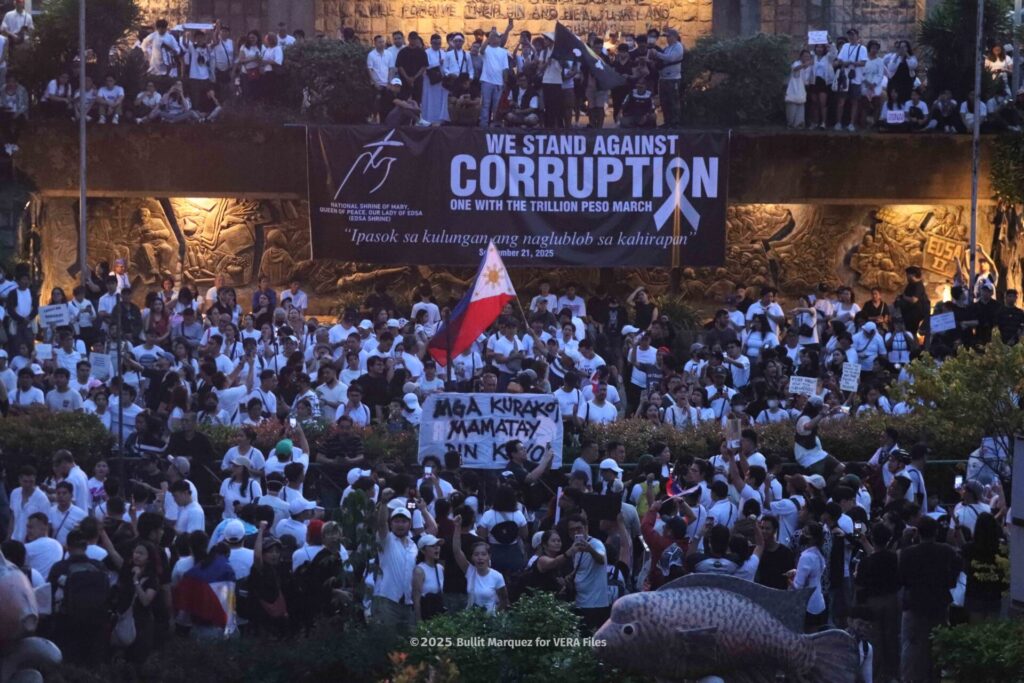
The next day, freedom shifted forms. I wasn’t in the streets, but I was watching the Trillion Peso March unfold through screens. Rizal Park, EDSA Shrine, and cities across the country – umbrellas rising in the rain, placards lifted high, chants demanding justice.
It was September 21 – the anniversary of Martial Law. That date still weighs on us. It reminded me that silence has been forced before, and it can be forced again if we forget.
I watched families, students, workers, faith groups – all calling out corruption, demanding transparency, refusing to stay quiet. And though I wasn’t marching with them, my heart was. Because freedom of speech, like software freedom, only lives when people defend it. Even as an observer, I knew: kaisa ako ng mga Pilipino.
What I carry now
Two different days, one deep truth.
Saturday showed me freedom builds – in code, in communities, in tools that empower. Sunday showed me freedom resists – in voices, in courage, in the refusal to let silence win.
I carry this lesson now: freedom is not handed down. It is not given to us by chance. It is something we build together, protect together, and live together.
And whether it happens in a room full of laptops or a street full of voices, freedom is always the same – it is human, and it is ours.